Smartphones have become an essential part of modern life. From online education and digital payments to communication and business, smartphones help people complete everyday tasks quickly and conveniently. However, excessive smartphone use can also create challenges related to sleep, eye comfort, privacy, and online security.
Understanding both the benefits and risks of smartphones can help users make smarter decisions and develop healthier digital habits.
In this guide, we will explore the major advantages and disadvantages of smartphones, their impact on daily life, and practical ways to use them safely in 2026.
[Featured Image: A person using a smartphone in a modern home or workspace. Use a realistic, professional image with natural lighting and minimal text.]
1. Major Benefits of Smartphones
Smartphones offer several advantages that make communication, learning, shopping, and working more convenient.
1.1 Online Education and Skill Development
Smartphones make learning accessible to people from different backgrounds. Students can attend online classes, watch educational videos, read digital books, and practice new skills from almost anywhere.
People can also learn valuable professional skills such as digital marketing, graphic design, video editing, and basic programming.
For students and professionals, smartphones provide a convenient way to access learning resources and improve their knowledge.
[Image Placement: A student using a smartphone for online learning with books and a notebook on a desk.]
1.2 Easy Communication
Communication is one of the biggest advantages of smartphones. Users can make calls, send messages, participate in video conferences, and stay connected with family and friends.
Smartphones are also useful for remote workers and businesses that need to communicate with customers, employees, and partners.
1.3 Convenient Online Shopping
Smartphones have made online shopping easier than ever. Customers can compare product prices, explore features, read customer reviews, and place orders without visiting multiple physical stores.
However, buyers should choose trusted websites, check product details carefully, and avoid suspicious offers that appear too good to be true.
1.4 Business and Career Opportunities
Smartphones are valuable tools for small business owners, freelancers, and digital marketers.
They can be used to manage social media accounts, create promotional content, communicate with customers, monitor advertising campaigns, and respond to business inquiries.
For small businesses, these features can make daily operations more flexible and help them connect with potential customers.
1.5 Entertainment and Everyday Information
Smartphones provide access to music, videos, photography, news, maps, and many other digital services.
Navigation apps can help users find routes, while weather applications and news platforms provide useful information for everyday decisions.
When used responsibly, these features can make daily activities more convenient.
2. Major Disadvantages and Risks of Smartphones
Although smartphones provide many benefits, excessive or careless use can lead to problems. Understanding these risks is the first step toward safer smartphone habits.
[Image Placement: A realistic photograph of a young adult using a smartphone late at night in a dark bedroom.]
2.1 Eye Strain and Visual Discomfort
Looking at a smartphone screen for extended periods may cause digital eye strain. Common symptoms include tired eyes, dryness, headaches, and temporary blurred vision.
To reduce discomfort, take regular breaks, adjust screen brightness to a comfortable level, and avoid holding your phone too close to your face.
If symptoms persist, consult an eye care professional.
2.2 Sleep Problems
Using a smartphone late at night can interfere with healthy sleep habits. Watching videos, checking messages, or scrolling through social media may delay bedtime and make it harder to relax.
Notifications can also interrupt sleep.
To improve your routine, reduce phone use before bedtime, silence unnecessary notifications, and keep your phone away from your bed when possible.
2.3 Excessive Screen Time and Distraction
Many people open their phones for a few minutes but end up spending much longer watching short videos or scrolling through social media.
Excessive use can reduce the time available for studying, working, exercising, and spending time with family.
Setting daily app limits, disabling unnecessary notifications, and scheduling phone-free periods can help users manage their time more effectively.
2.4 Online Scams and Financial Fraud
Smartphone users may encounter fake shopping websites, fraudulent payment requests, phishing messages, and calls from people pretending to represent banks or trusted companies.
These scams can result in financial loss if users share sensitive information or approve unauthorized transactions.
Never share your banking passwords, UPI PIN, or one-time passwords (OTPs) with anyone. Avoid suspicious links and verify payment requests before taking action.
2.5 Privacy and Data Security Risks
Some applications request access to personal information, contacts, location, cameras, or microphones. Installing untrusted applications or granting unnecessary permissions can increase privacy risks.
Download apps from trusted sources, review their permissions, install security updates, and use strong passwords.
Two-factor authentication can provide an additional layer of protection for accounts that support it.
3. How Smartphones Affect Children and Young People
Smartphones can support education, creativity, communication, and access to useful information. However, unbalanced use may interfere with sleep, physical activity, concentration, and family interactions.
Parents and guardians should encourage age-appropriate digital habits and help children understand online privacy, cyberbullying, suspicious messages, and the risks of communicating with strangers online.
It is also important to balance screen-based activities with outdoor play, reading, hobbies, and face-to-face conversations.
Rather than focusing only on screen time, families should also consider the quality of the content children consume and whether phone use is interfering with everyday responsibilities.
[Image Placement: A parent helping a school-age child use a smartphone for an educational activity at home.]
4. How to Use a Smartphone Safely
Developing a few simple habits can help users enjoy the benefits of smartphones while reducing common risks.
4.1 Manage Your Screen Time
Check your daily screen-time report and identify applications that consume too much of your time.
Set reasonable limits for entertainment apps and take regular breaks during long sessions.
4.2 Use Strong Passwords
Create strong, unique passwords for important accounts. Enable two-factor authentication wherever available, especially for email, banking, and social media accounts.
Never share your passwords or verification codes with strangers.
4.3 Keep Your Phone Updated
Install operating system and application updates regularly. Updates often include security improvements and fixes for known software problems.
Remove applications that you no longer use, particularly those that request unnecessary permissions.
4.4 Avoid Suspicious Links and Downloads
Do not click unknown links simply because a message promises a prize, discount, or urgent reward.
Verify the sender and website before entering personal information or making a payment. If a message claims to come from your bank, contact the bank through its official channels.
4.5 Protect Your Personal Information
Review app permissions and restrict access to your camera, microphone, contacts, and location when it is not necessary.
Avoid sharing sensitive personal information publicly. Back up important photos and documents securely so they can be recovered if your phone is lost or damaged.
4.6 Avoid Smartphone Use While Driving
Using a smartphone while driving can distract you from the road and increase the risk of an accident.
Set navigation before starting your journey, use a safe hands-free option where legally permitted, and pull over safely before handling your phone.
4.7 Maintain Healthy Digital Habits
Take breaks from screens, stay physically active, and make time for hobbies and personal relationships.
If smartphone use regularly affects your sleep, work, education, or daily responsibilities, consider reducing your usage and seeking professional guidance if needed.
[Image Placement: A smartphone displaying a digital wellbeing or screen-time dashboard on a clean desk.]
5. A Simple Daily Smartphone Routine
A balanced routine can help you use your smartphone more intentionally.
| Time of Day | Recommended Habit |
|---|---|
| Morning | Check essential messages and plan your day. |
| During Work or Study | Focus on important tasks and limit unnecessary notifications. |
| Afternoon | Take breaks and spend some time away from the screen. |
| Evening | Exercise, enjoy hobbies, or spend time with family. |
| Before Bed | Reduce phone use and prepare for sleep. |
This is a general example rather than a strict schedule. Adjust it according to your work, studies, family responsibilities, and personal needs.
6. What to Check Before Buying a Smartphone
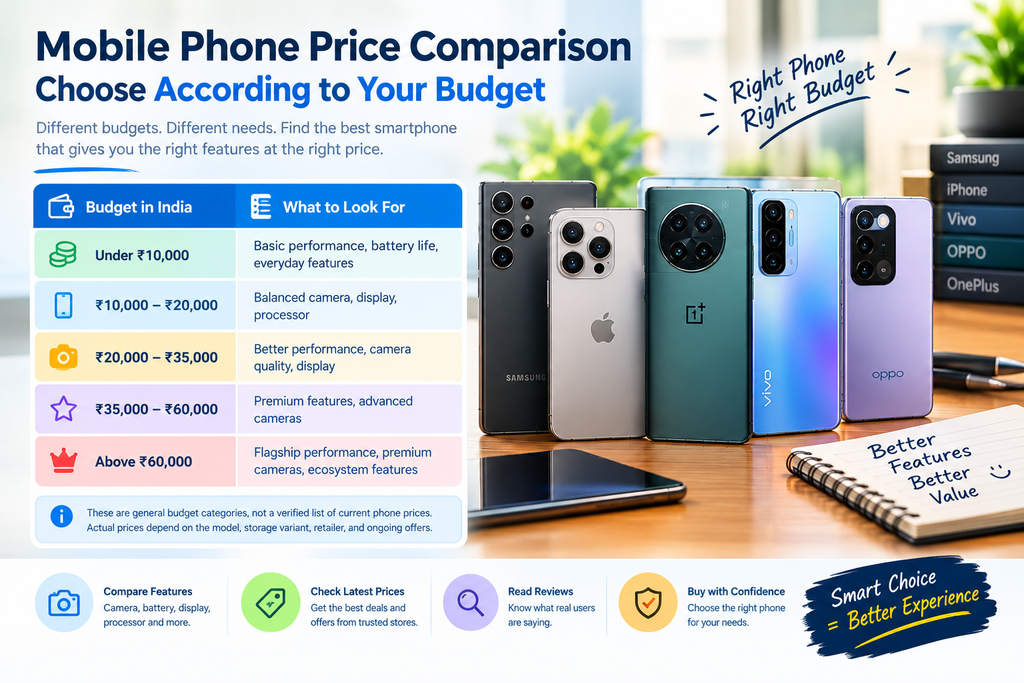
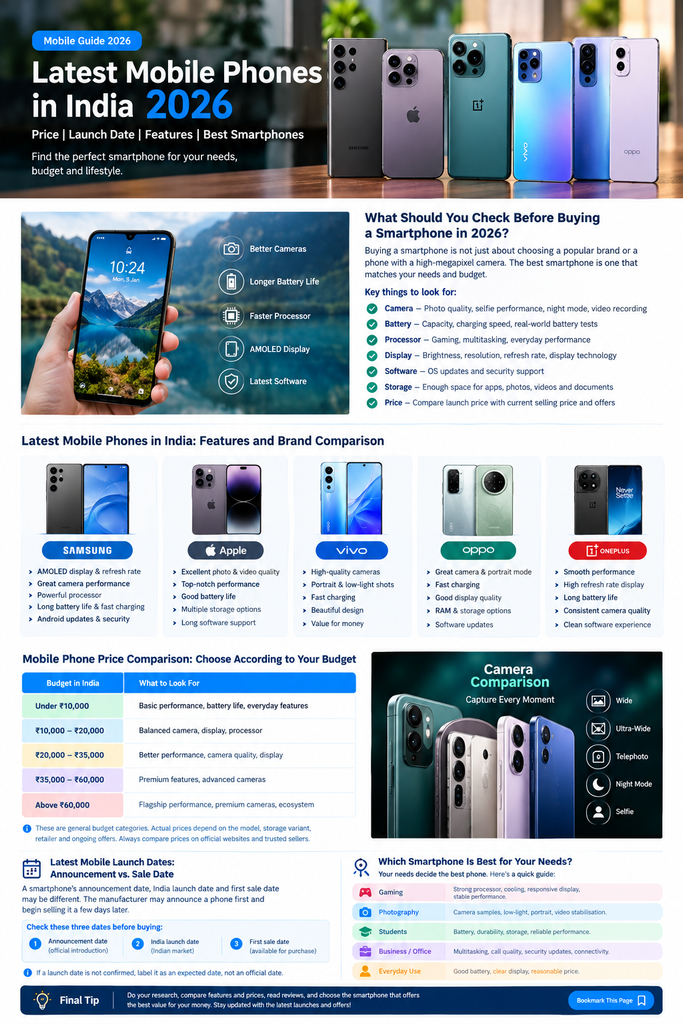
Choosing the right smartphone requires more than comparing camera specifications or appearance. Consider your needs, budget, and the features that matter most to you.
Battery Life
Choose a phone with sufficient battery capacity for your daily activities. Check independent reviews to understand its real-world battery performance.
Performance and Storage
Consider the processor, RAM, and storage capacity according to how you plan to use the phone. Students, business owners, and people who record videos may have different requirements.
Camera Quality
Compare real-world photographs and videos instead of relying only on megapixel numbers. Image processing, low-light performance, and video stabilization can also affect results.
Software and Security Updates
Check the manufacturer’s software support policy. Regular security updates can help protect your device over time.
Warranty and After-Sales Service
Review the warranty terms, availability of authorized service centers, and potential repair costs before making a purchase.
Price and Value for Money
Compare prices, features, and customer reviews across reliable sellers. Select a phone that meets your actual requirements instead of paying for features you may never use.
[Image Placement: A modern smartphone photographed on a clean desk beside a notebook, illustrating phone features and buying considerations.]
Conclusion: Are Smartphones Useful or Dangerous?
Smartphones are neither entirely good nor entirely bad. Their impact depends largely on how they are used.
They can make education, communication, shopping, business, and everyday tasks more convenient. At the same time, excessive screen time, online scams, privacy risks, and unsafe habits can create problems.
The best approach is to use smartphones with awareness and balance. Protect your personal information, manage screen time, verify online information, and make time for activities away from your screen.
A smartphone should be a tool that improves your life, not a habit that controls it.
By developing responsible digital habits, you can enjoy the advantages of modern technology while reducing many of its common risks.